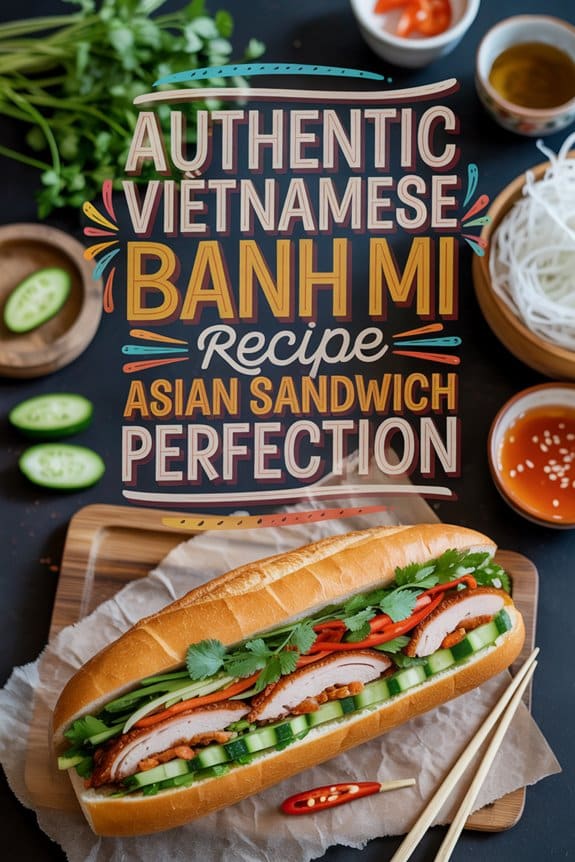
The Simple Joy of this Authentic Vietnamese Banh Mi
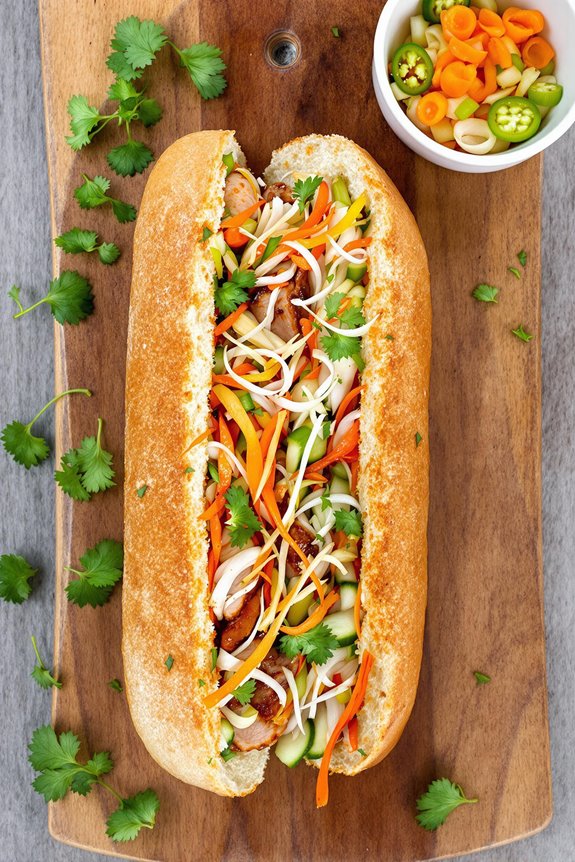
When you bite into an authentic Vietnamese banh mi, you’re not just eating a sandwich – you’re experiencing a perfect harmony of textures, flavors, and temperatures that somehow manages to feel both exotic and comfortably familiar.
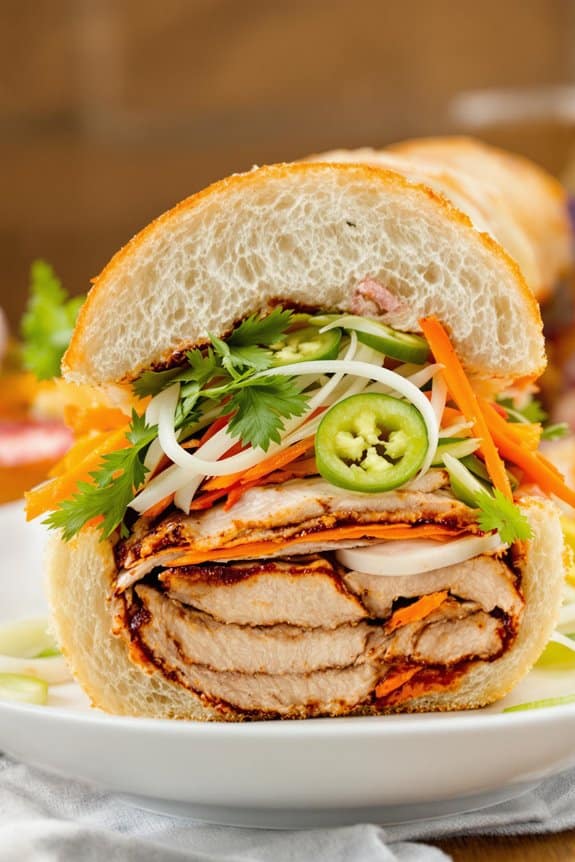
The crispy baguette gives way to tender pork, while pickled vegetables add that tangy crunch I crave.
Cool cucumber meets spicy jalapeño, and fresh cilantro brightens everything up.
It’s like your taste buds are getting a gentle massage from opposing forces that shouldn’t work together but absolutely do.
This isn’t complicated cooking – it’s smart cooking that respects each ingredient’s job.
Ingredients
Getting your hands on the right ingredients for this banh mi is half the battle won, and honestly, it’s the fun half. Most of these items live happily in your regular grocery store, though you might need to venture into the international aisle for that magical chili-garlic sauce – and trust me, it’s worth the treasure hunt because that little jar packs some serious flavor punch.
Ingredients:
- 1/2 cup shredded carrot
- 1/2 cup daikon radish
- 1 tablespoon cider vinegar
- 2 teaspoons sugar (plus 1 1/2 teaspoons more)
- 1/4 teaspoon kosher salt (plus 1/2 teaspoon more)
- 3 tablespoons chili-garlic sauce (such as Lee Kum Kee)
- 1 (7 lb) pork tenderloin, trimmed
- Cooking spray
- 3 tablespoons fat-free mayonnaise
- 2 (20 inch) French baguettes
- 1 cucumber, cut into 16 thin strips
- 16 fresh cilantro stems
- 2 sprigs green onions, cut lengthwise
- 1 seeded, thinly sliced jalapeño pepper
Now, let’s talk about the stars of this show. That daikon radish might look like an intimidating white carrot at the store, but it’s actually your new best friend – mild, crisp, and perfect for pickling. If you can’t find Lee Kum Kee chili-garlic sauce specifically, any good Asian chili-garlic sauce will do the job, just make sure it has that chunky, garlicky goodness. And here’s a little secret: when they say “7 lb pork tenderloin,” that seems like a typo because tenderloins usually clock in around 1-2 pounds, so grab what looks right and adjust accordingly.
How to Make this Authentic Vietnamese Banh Mi
Making this banh mi is like conducting a delicious little orchestra where every ingredient gets its moment to shine, and honestly, the timing works out so perfectly you’ll feel like a kitchen wizard.
Start by creating that tangy pickle magic – combine your 1/2 cup shredded carrot and 1/2 cup daikon radish with 1 tablespoon cider vinegar, 2 teaspoons sugar, and 1/4 teaspoon kosher salt, then let this colorful mixture sit for anywhere from 15 minutes to an hour while you tackle the star of the show.
Meanwhile, crank your oven to 400°F because we’re about to transform that pork tenderloin into something absolutely heavenly.
Here’s where things get exciting – mix 3 tablespoons of that chunky chili-garlic sauce with 1 1/2 teaspoons sugar until it becomes this glossy, spicy-sweet coating that’ll make your kitchen smell like a Vietnamese street food paradise.
Plop your trimmed pork tenderloin onto a cooking spray-coated rack, slather 2 tablespoons of that chili-garlic mixture all over it like you’re painting a masterpiece, sprinkle with 1/2 teaspoon salt, and slide it into the oven for about 20 minutes until it hits 155°F on your thermometer.
Once it’s done, let it cool completely and stick it in the fridge – this is actually perfect make-ahead territory because cold, sliced pork makes for much neater sandwiches. For perfectly uniform slices that make your banh mi look restaurant-quality, a professional meat slicer will give you those paper-thin cuts that melt in your mouth.
Assembly time is where the magic really happens, and trust me, you’ll want to drain that pickle mixture first because nobody likes a soggy sandwich.
Mix your 3 tablespoons fat-free mayonnaise with the remaining chili-garlic mixture to create this incredible spicy-creamy spread, then slice your 2 French baguettes horizontally without cutting all the way through – think of it like opening a book, not chopping firewood.
Spread that mayo mixture on both cut sides, layer in your thinly sliced pork, pile on the drained pickled vegetables, arrange your 16 cucumber strips and 16 cilantro stems with the precision of someone who actually knows what they’re doing, then finish with those lengthwise-cut green onions and sliced jalapeño.
Press everything together gently, cut each baguette into four servings, and prepare to experience what might just be the most satisfying sandwich of your entire life.
Substitutions and Variations
While this authentic banh mi recipe gives you the traditional blueprint, I’ve learned that some of the best sandwiches happen when you work with what’s actually sitting in your fridge right now.
Can’t find daikon? Regular radish works perfectly. No pork tenderloin? Try grilled chicken, beef, or even tofu for vegetarians.
I swap sriracha for chili-garlic sauce when needed, and honestly, pickled cabbage can replace the carrot mixture in a pinch. The mayo mixture adapts to whatever spicy sauce you prefer.
The key is keeping those fresh herbs and that crispy baguette—everything else is negotiable.
Additional Things to Serve With Authentic Vietnamese Banh Mi
Since banh mi packs such incredible flavor into every bite, you might wonder what could possibly complement this Vietnamese masterpiece without competing for attention.
I find that light, invigorating sides work best. Vietnamese iced coffee offers a perfect caffeinated companion, while pho broth serves as a warming starter. Fresh spring rolls provide extra crunch without overwhelming your palate.
For something different, try crispy rice crackers or a simple cucumber salad with rice vinegar dressing. Even plain jasmine rice can help balance the sandwich’s bold flavors.
The key is keeping accompaniments subtle, letting your banh mi remain the undisputed star.
Final Thoughts
After countless attempts at recreating this iconic Vietnamese street food, I’ve learned that banh mi isn’t just about following a recipe—it’s about understanding the delicate balance that makes each bite sing.
The pickled vegetables need that perfect tang, the mayo requires just enough spice, and the pork demands proper seasoning.
When you nail these elements, you’re not making a sandwich—you’re creating art. Trust your taste buds, adjust as needed, and remember that every banh mi tells a story.
Yours should whisper of careful technique and bold flavors in perfect harmony.